A $25,000 Darth Vader and the Power of the Perfect Mint Number
From low mints to significant dates, the numbers behind digital collectibles are becoming collectibles in their own right.

Ceelow G
August 23, 2026
In partnership with

AI Is Moving Fast. Here's How to Keep Up.

AI is moving faster than any other technology. New models. New tools. New claims. New noise.
Most people feel like they're behind. But the people that don't, aren't smarter. They're just better informed.
The Future Today is a daily briefing for people who want clarity. In one concise email each day, you'll get the most important AI and tech developments, learn why they matter, and what they signal about what's coming next.
Written for operators, builders, leaders, and anyone who wants to sound sharp when AI comes up in the meeting.
One email. Five Minutes. Stay ahead of 99% of the world.
When we talk about what makes a digital collectible valuable, the conversation usually revolves around the same things: IP, scarcity, edition size, artwork, utility and demand.
But there is another factor that deserves much more attention: the mint number.
In digital collectibles, the number attached to your collectible can sometimes be much more than a random identifier. It can create another layer of rarity, personal connection and, in some cases, historical significance.
We've seen a couple of great examples of this recently on VeVe.
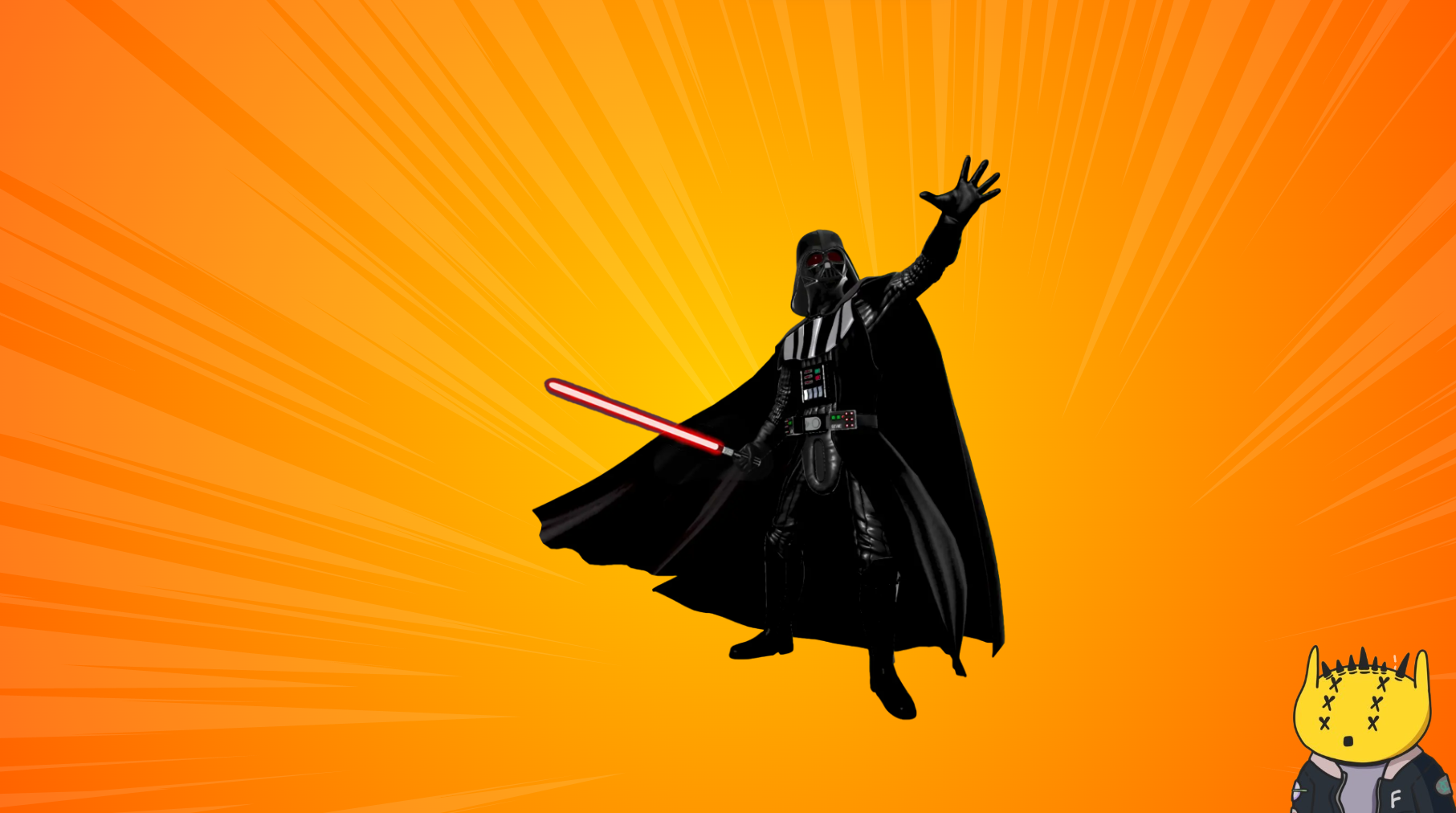
Last week, we talked about the sale of a Partners Statue #66. This week, another eye-catching sale took place when a Darth Vader mint #1977 sold for $25,000.
These two sales demonstrate something I believe could become increasingly important as the digital collectibles market matures:
Collectors don't just collect the item. They collect the story behind the item.
And sometimes, that story is hiding in the mint number.
Low Mints Have Always Had Appeal
There is something special about owning an early edition.
A #1, #5, #10 or #25 immediately stands out in a collection. Even if the artwork is identical to every other edition in the series, the number creates a distinction.
This isn't unique to digital collectibles.
Physical collectors have been chasing low serial numbers for decades. Trading cards, limited prints, comics and other collectibles often command premiums when they have desirable numbering.
The psychology is simple: early numbers feel special.
If a collectible has 10,000 editions, owning #10 feels different from owning #7,428.
Technically, both are part of the same edition.
But collectors don't always assign equal value to them.
That's where mint numbers become interesting.
When the Number Has Meaning
Low mints are appealing because they're low.
But what happens when the number itself has a connection to the collectible?
That's when things get really interesting.
Instead of simply being "mint #66," the number can become part of the story.
That's exactly what we're seeing with some digital collectibles.
The Partners Statue #66 we discussed last week is a great example of how collectors can assign additional meaning to a mint number.
Whether the significance comes from the IP, a historical reference, a personal connection or simply collector preference, the number can become another attribute that separates one edition from another.
And that brings us to this week's Darth Vader sale.

Darth Vader #1977
A Darth Vader mint #1977 recently sold for $25,000.
That's an incredible sale on its own.
But the mint number is what makes this one particularly fascinating.
Why?
Because 1977 is the year Star Wars was introduced to the world with Star Wars: A New Hope.
For Star Wars collectors, 1977 isn't just a random year.
It's foundational.
It's the beginning of one of the most recognizable entertainment franchises in history.
Now imagine owning a Darth Vader collectible with the mint number 1977.
The number itself becomes part of the collectible's story.
It's almost like the blockchain accidentally—or intentionally—created a perfect match between the collectible and a piece of its history.
That's a powerful concept.


Your Collection Begins Here.
Get $10 on us to claim your first officially licensed digital collectible today!
Significant Dates Could Become a Collecting Category
This is where I think things could get really interesting for digital collectibles.
Imagine owning:
Superman #1938 — the year Superman debuted.
Batman #1939 — the year Batman first appeared.
Spider-Man #1962 — the year Spider-Man made his debut in Amazing Fantasy #15.
Star Wars #1977 — the year A New Hope was released.
Suddenly, these aren't just serial numbers.
They're historical references attached directly to the collectible.
And the possibilities are endless.
Birth years.
Character debut years.
First appearance dates.
Movie release years.
Anniversary years.
Championship years.
Important events.
Iconic jersey numbers.
All of these could potentially create additional demand for specific mint numbers.
Scarcity vs. Meaningful Scarcity
There is an important distinction here.
A low mint is scarce.
A meaningful mint can be scarce and culturally relevant.
If there are 10,000 editions, there will only be one #1977.
But there will also only be one #1938, one #1939 and one #1962.
The difference is that some of those numbers have a story attached to them.
That story can make the collectible more desirable to a specific group of collectors.
And that's really what collecting is all about.
Collectors aren't always looking for the objectively "best" version.
They're looking for the version that means something to them.
The Physical Collectibles Market Already Does This
If you've spent any time around physical trading cards, you've probably seen this behavior before.
Collectors chase jersey numbers.
A Michael Jordan card numbered #23 can immediately attract attention.
A Tom Brady card numbered #12 can mean something different to a collector.
A card numbered with a player's birth year may have additional appeal.
A rookie card can be more desirable because of when it was produced.
These aren't necessarily differences in the physical object itself.
They're differences in meaning.
Digital collectibles have the ability to create that same dynamic.
In fact, blockchain technology may make it even easier because the mint number is permanently associated with the collectible and can be publicly verified.
Not Every Interesting Number Will Be Valuable
Of course, we shouldn't take this too far.
Not every low mint deserves a massive premium.
Not every significant date will create demand.
And a desirable mint number can't compensate for a collectible that nobody wants.
The fundamentals still matter.
Strong IP + collector demand + scarcity + desirable mint = interesting combination.
The mint number is an additional layer, not necessarily the entire reason someone should buy a collectible.
The strongest numbers will probably be the ones where the connection is obvious.
When a collector sees Darth Vader #1977, they immediately understand why the number is interesting.
That's much more powerful than having to explain why #4,371 is somehow special.
Digital Collecting Is Still Evolving
One of the most exciting things about digital collectibles is that we're still figuring out what the market will ultimately value.
Collectors have already shown interest in low mints, first appearances, rare editions, animated collectibles and other unique attributes.
Significant mint numbers could become another important category.
The Darth Vader #1977 sale is a perfect example of why.
A $25,000 sale isn't simply about owning a digital Darth Vader.
It's about owning a specific edition with a number that has a direct connection to the history of the character and the franchise.
That's what makes it collectible.
The Story Behind the Number
At its core, collecting is about stories.
Why did you buy it?
Why is it special?
Why did you choose that specific one?
A random mint number might not have an interesting answer.
But Darth Vader #1977 does.
And that's what makes significant mint numbers so fascinating.
As the digital collectibles market continues to mature, I believe collectors will become increasingly sophisticated about the small details that separate one edition from another.
The artwork might be identical.
The utility might be identical.
The edition size might be identical.
But the number can give one collectible a story that the others don't have.
And sometimes, the story is what makes a collectible worth collecting.
The next time you're looking at a digital collectible, don't just look at the artwork.
Look at the mint.
You might be sitting on a number that means a lot more than you realize. 👀